
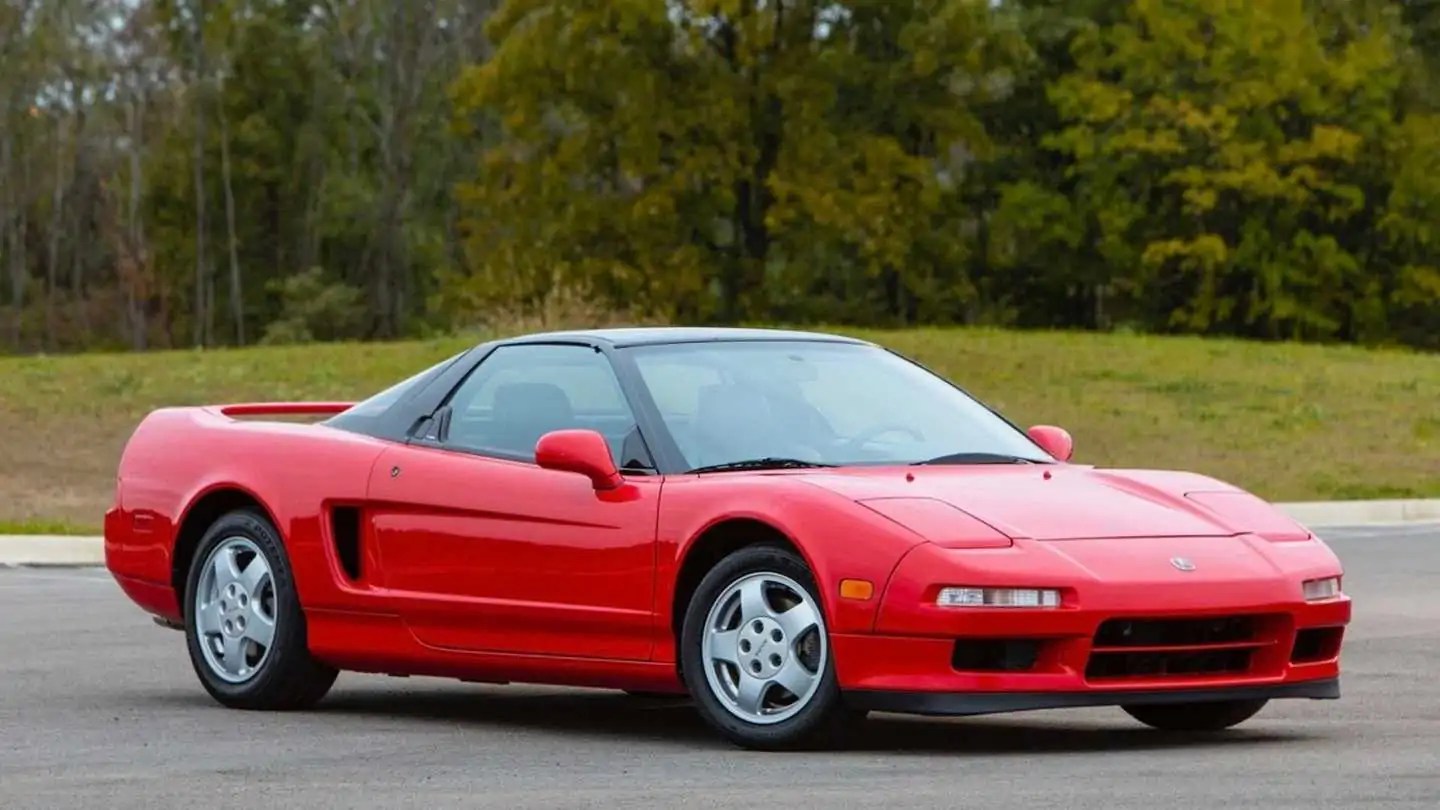
- Name: Acura NSX (US) / Honda NSX
- Debut: 1989 Chicago Auto Show
- Engine: 3.0-Liter V6
- Specs: 270 Horsepower / 210 Pound-Feet
- Price: $60,000 ($110,000 in 2019)
From F1 Glory to Showroom Stardom
By the mid-1980s, Honda was already a force to be reckoned with in motorsports, boasting a stellar reputation in motorcycle racing and emerging dominance as a Formula 1 engine supplier. Seeking to channel some of this racing prestige into its road cars, Honda unveiled the mid-engine HP-X concept in 1984, a sleek design collaboration with Pininfarina. But it wasn’t until 1990, with the arrival of the Honda NSX, that the company’s supercar ambitions truly materialized.
Japan’s Automakers Take on America’s Premium Market
Across the Pacific, Japanese automakers had firmly established themselves in the U.S. by the late 1980s, shaking off any notion of being a passing trend. Honda and Toyota led the charge, with their Accord and Camry sedans climbing bestseller charts. However, the Japanese were just warming up. The premium segment was an untapped goldmine, and Honda, Nissan, and Toyota moved swiftly to claim it. Honda launched Acura in 1986, a pioneering luxury brand, followed by Toyota’s Lexus and Nissan’s Infiniti in 1989.
The NSX Finds Its American Identity
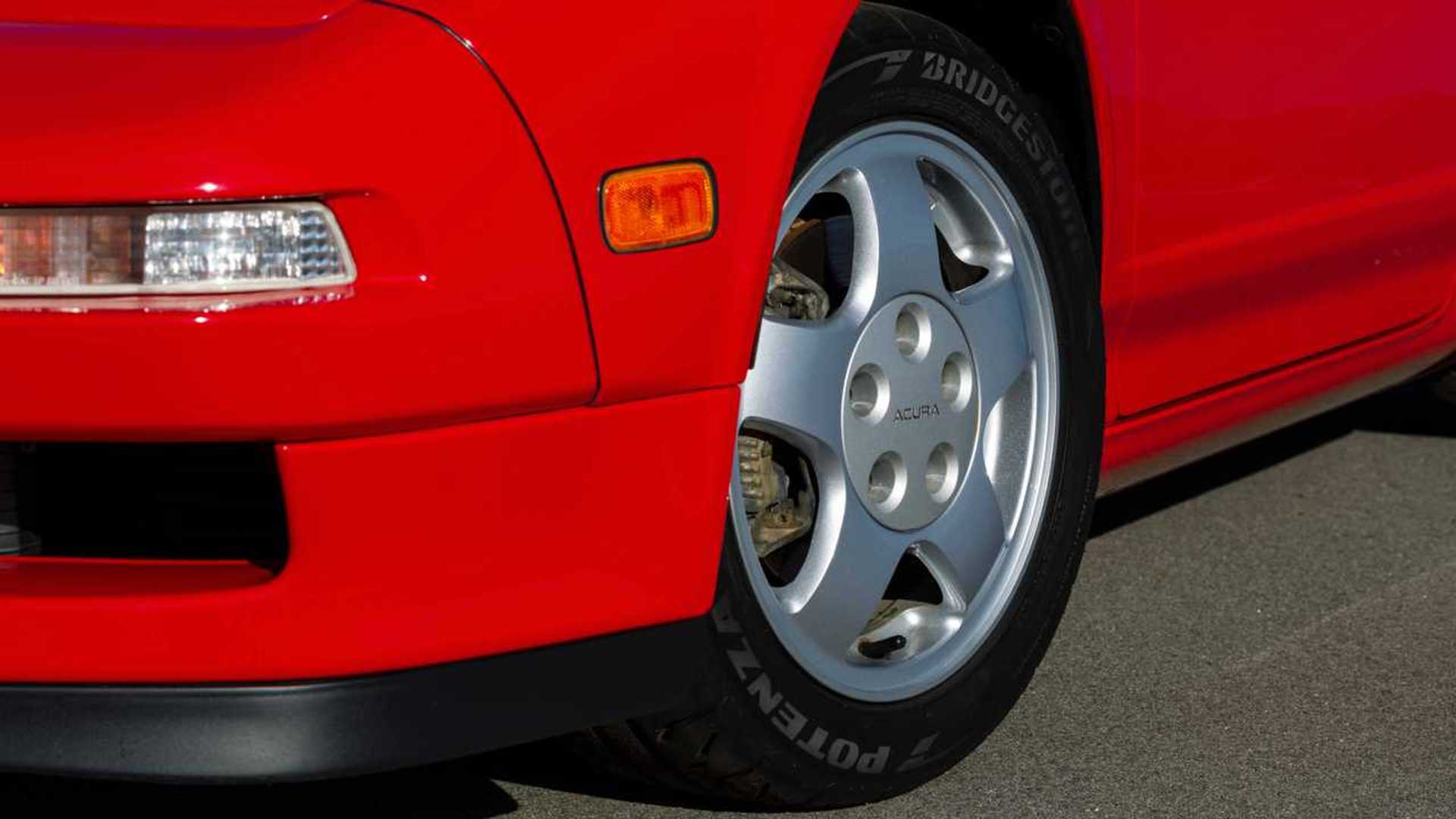
Acura became the natural home for Honda’s new mid-engine supercar in the U.S. The NSX, an engineering masterpiece aimed squarely at challenging Ferraris and Porsches, would have looked out of place next to Civics and Accords. For American buyers, it became the Acura NSX, a badge that underscored its exclusivity.
Engineering Excellence Meets Supercar Style
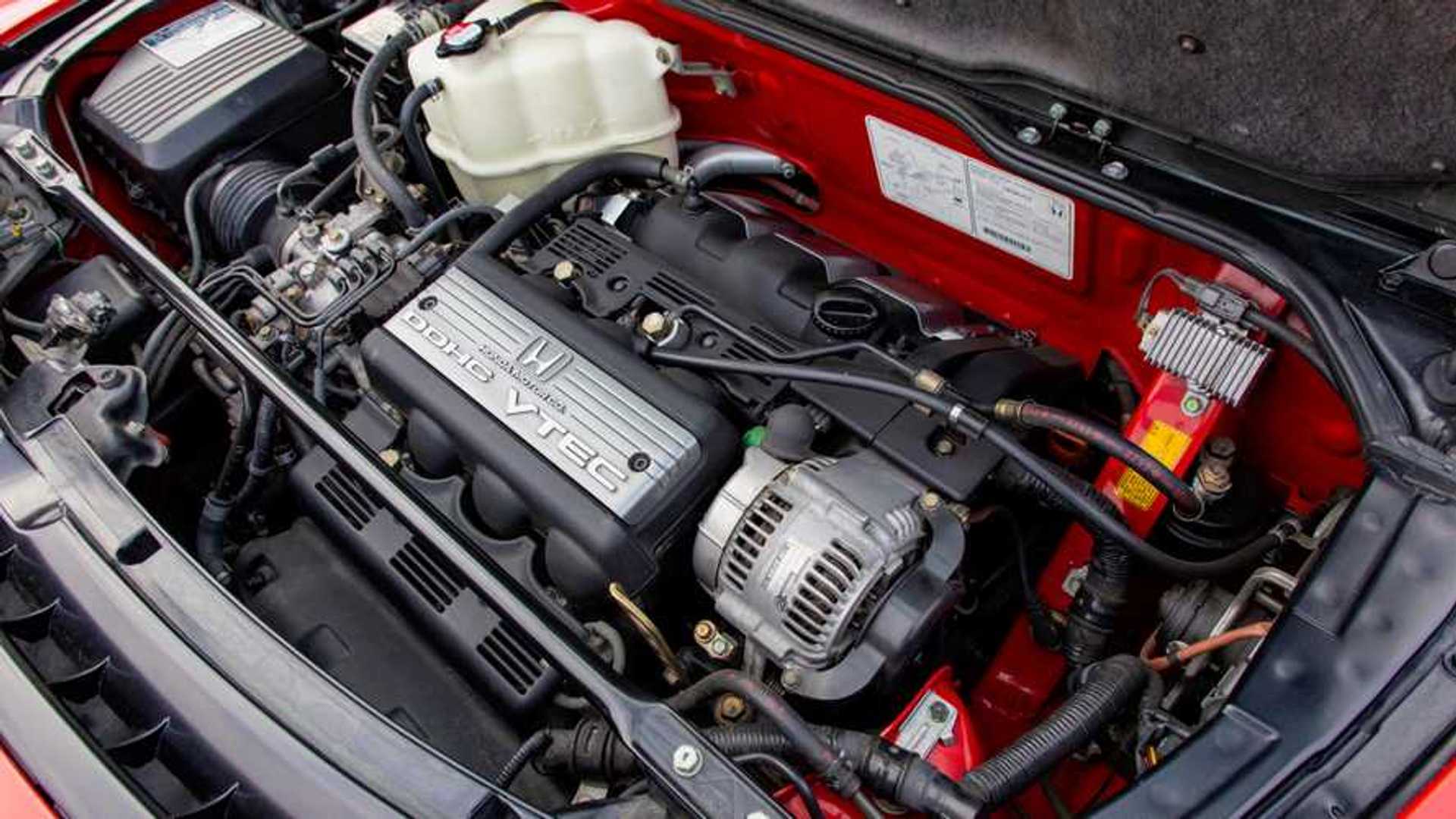
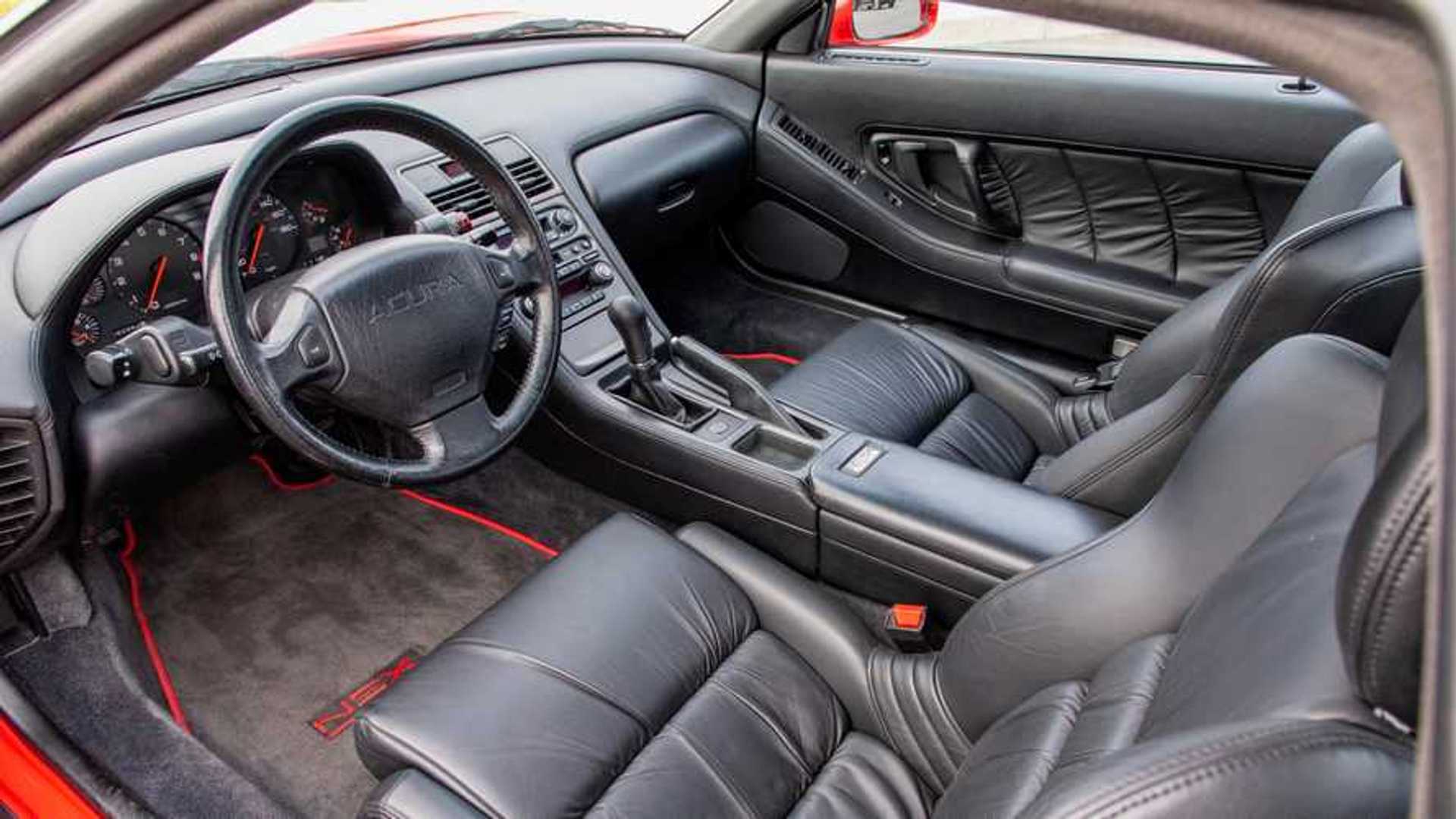
Beneath its sculpted lines lay a naturally aspirated 3.0-liter V6 engine with Honda’s VTEC system, delivering 270 horsepower and 210 lb-ft of torque to the rear wheels through a six-speed manual transmission. This powertrain wasn’t just potent—it was refined, embodying Honda’s technical prowess. Ayrton Senna, the legendary Formula 1 champion, played a crucial role in honing the car’s chassis and suspension, ensuring it delivered precision handling worthy of its racing pedigree. The NSX also debuted advanced safety features like ABS and traction control, which gave drivers an edge they might not have earned themselves.
An Instant Icon
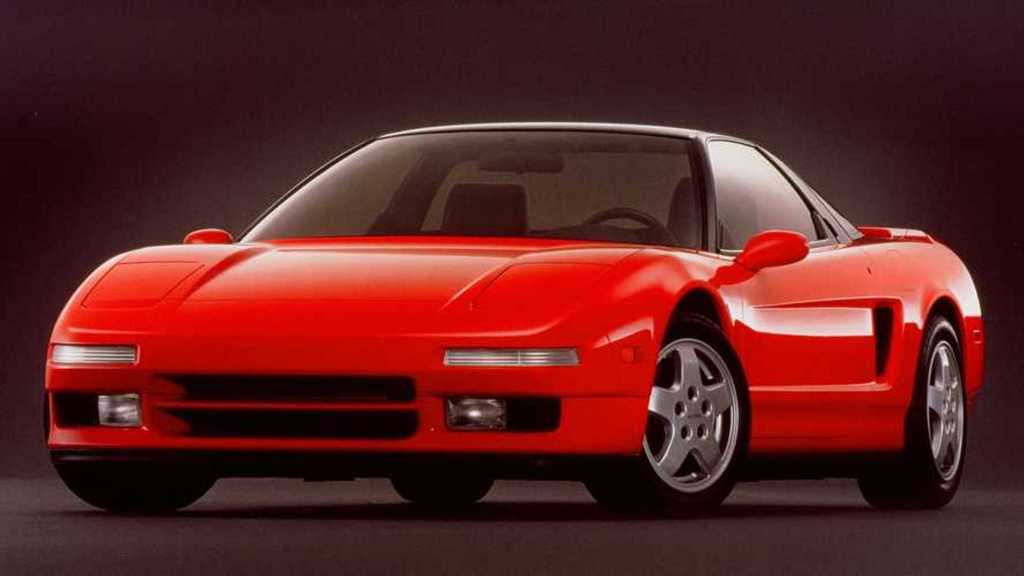
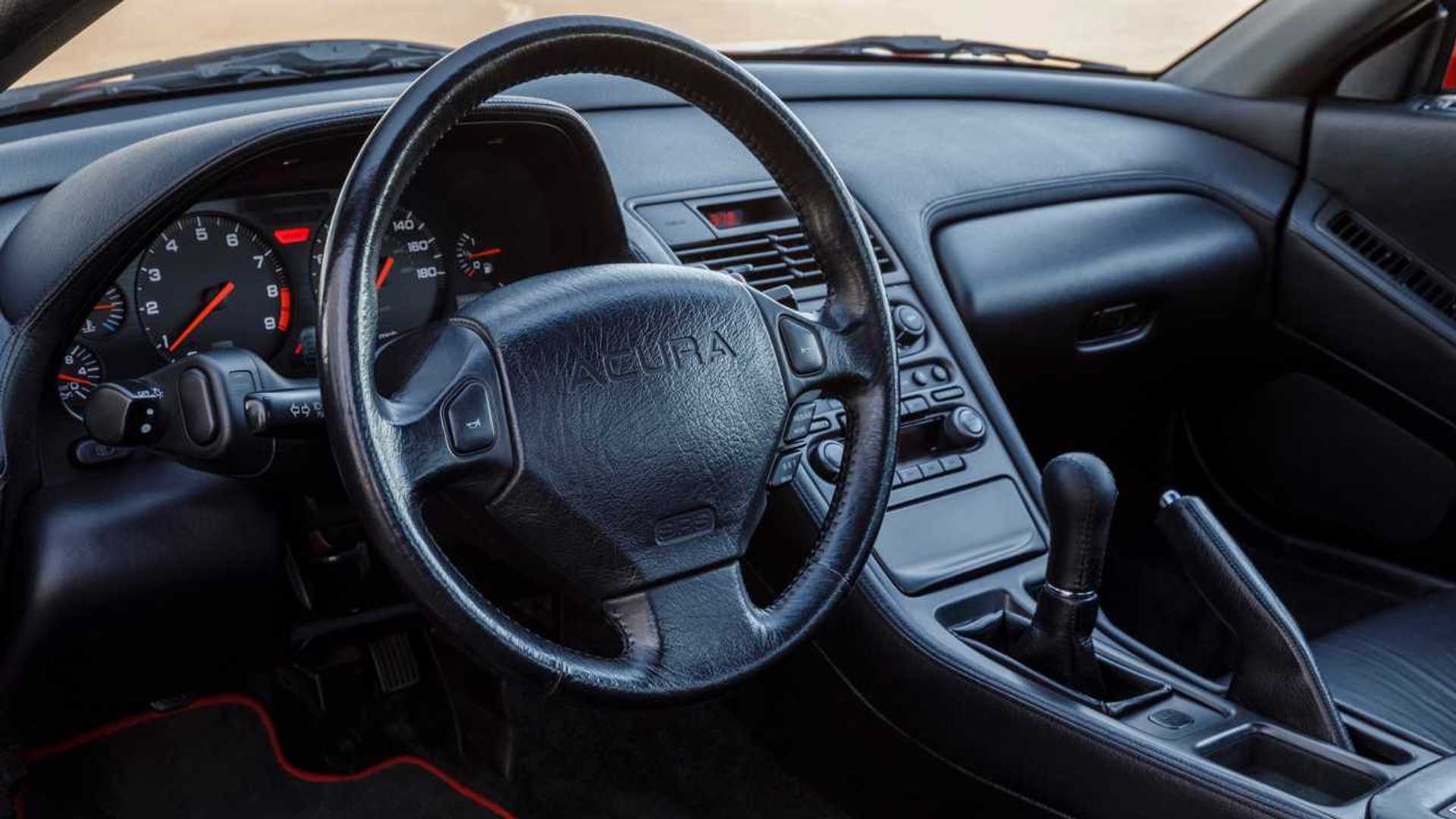
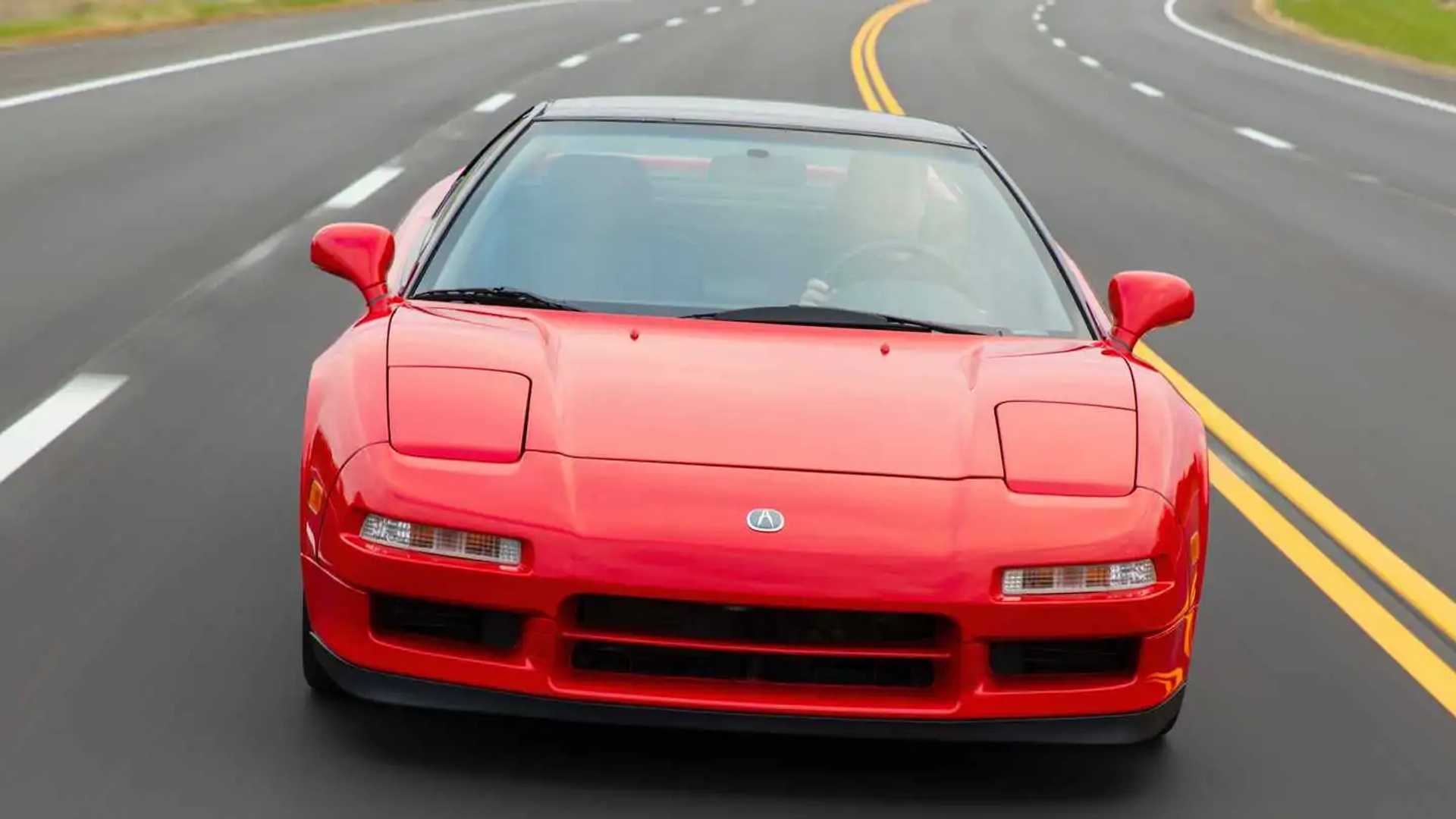
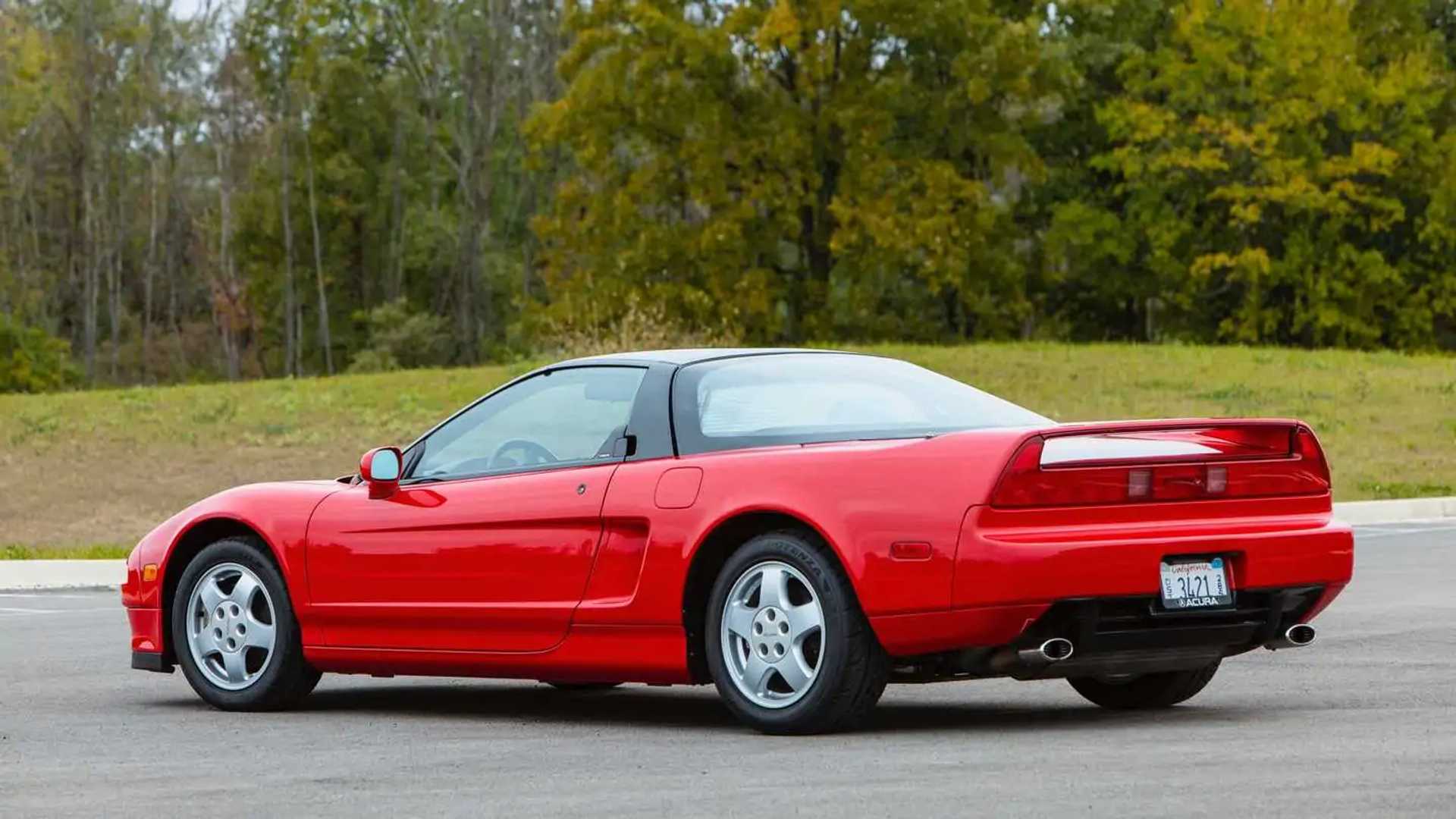
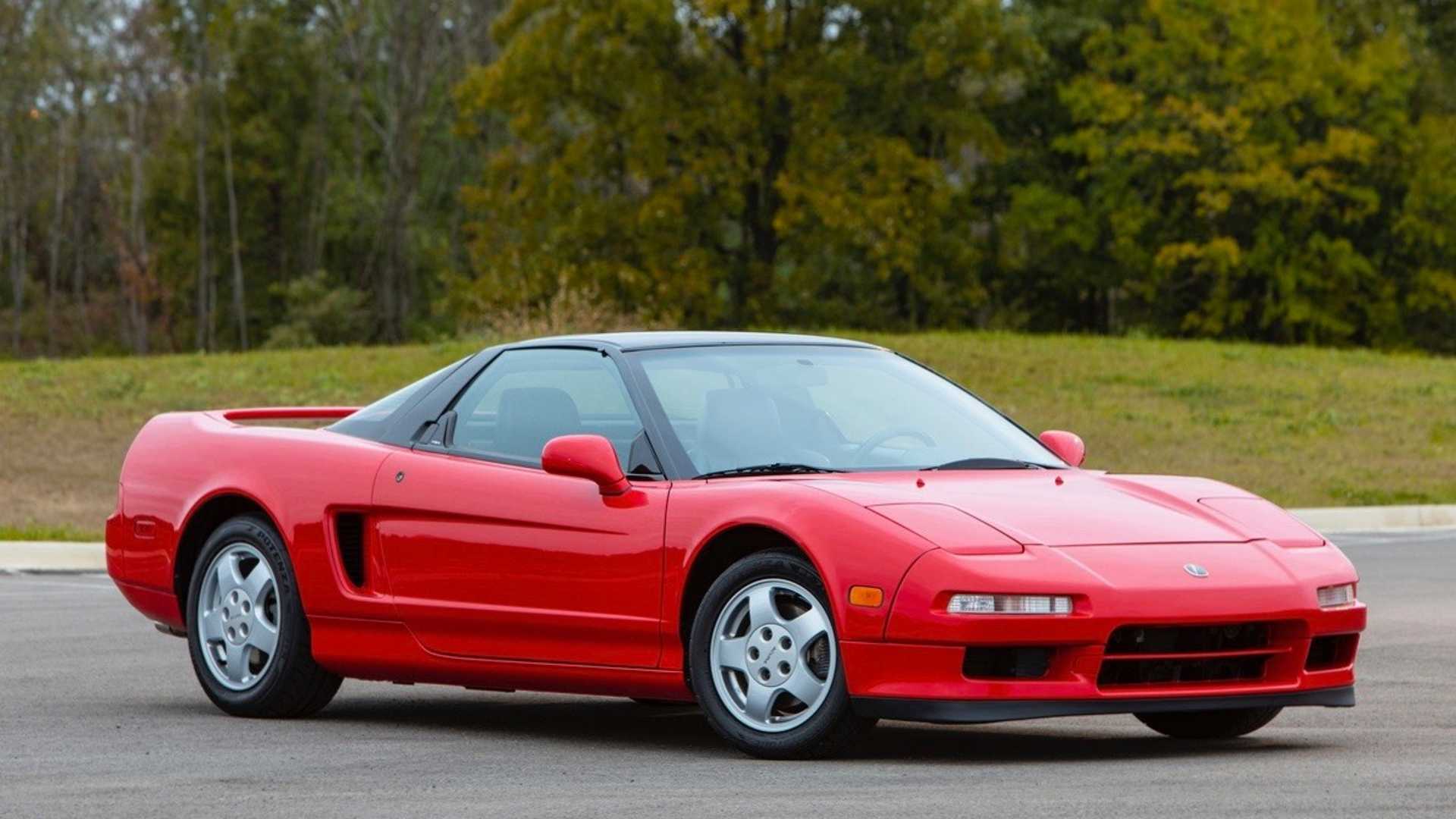
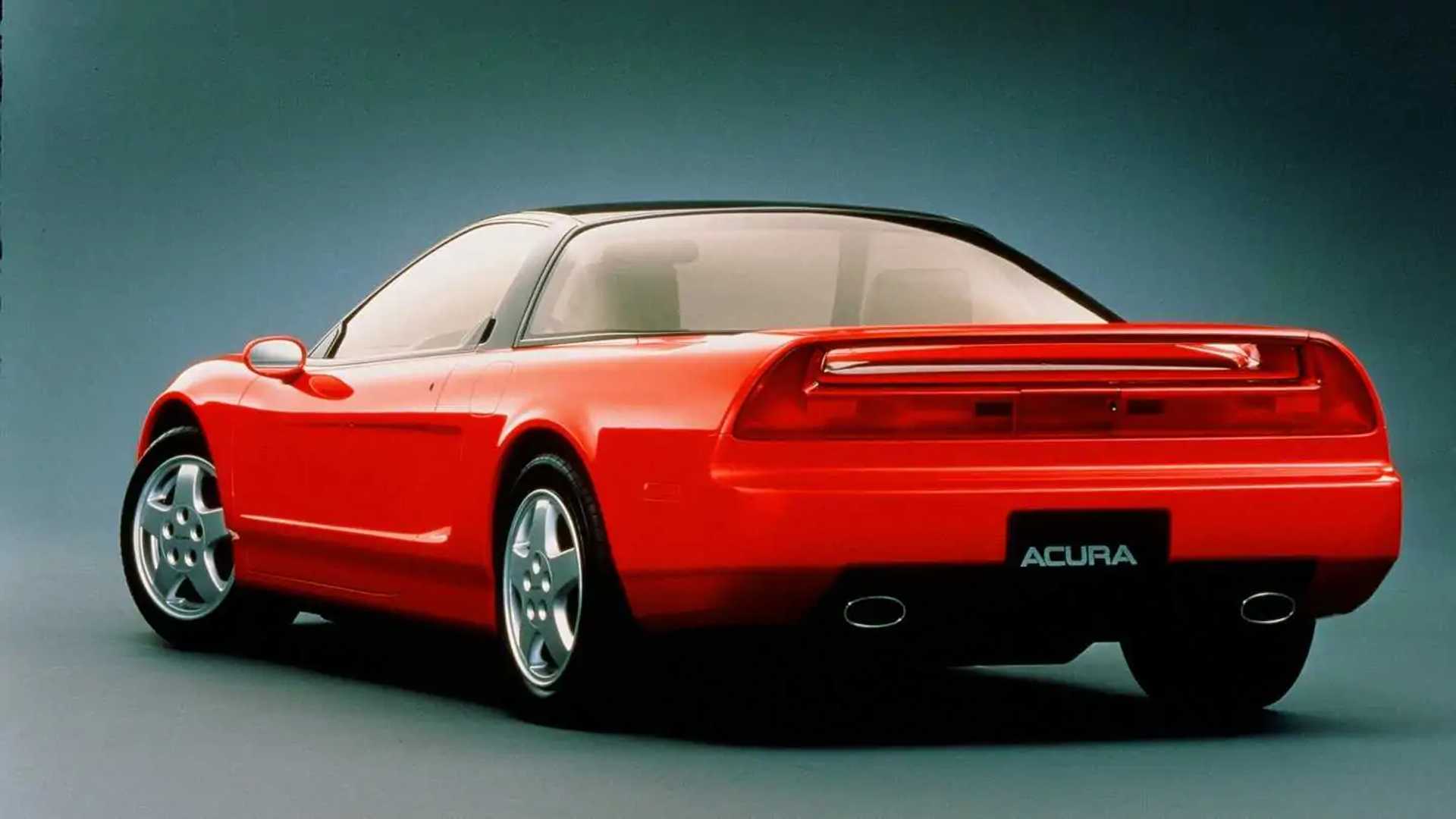
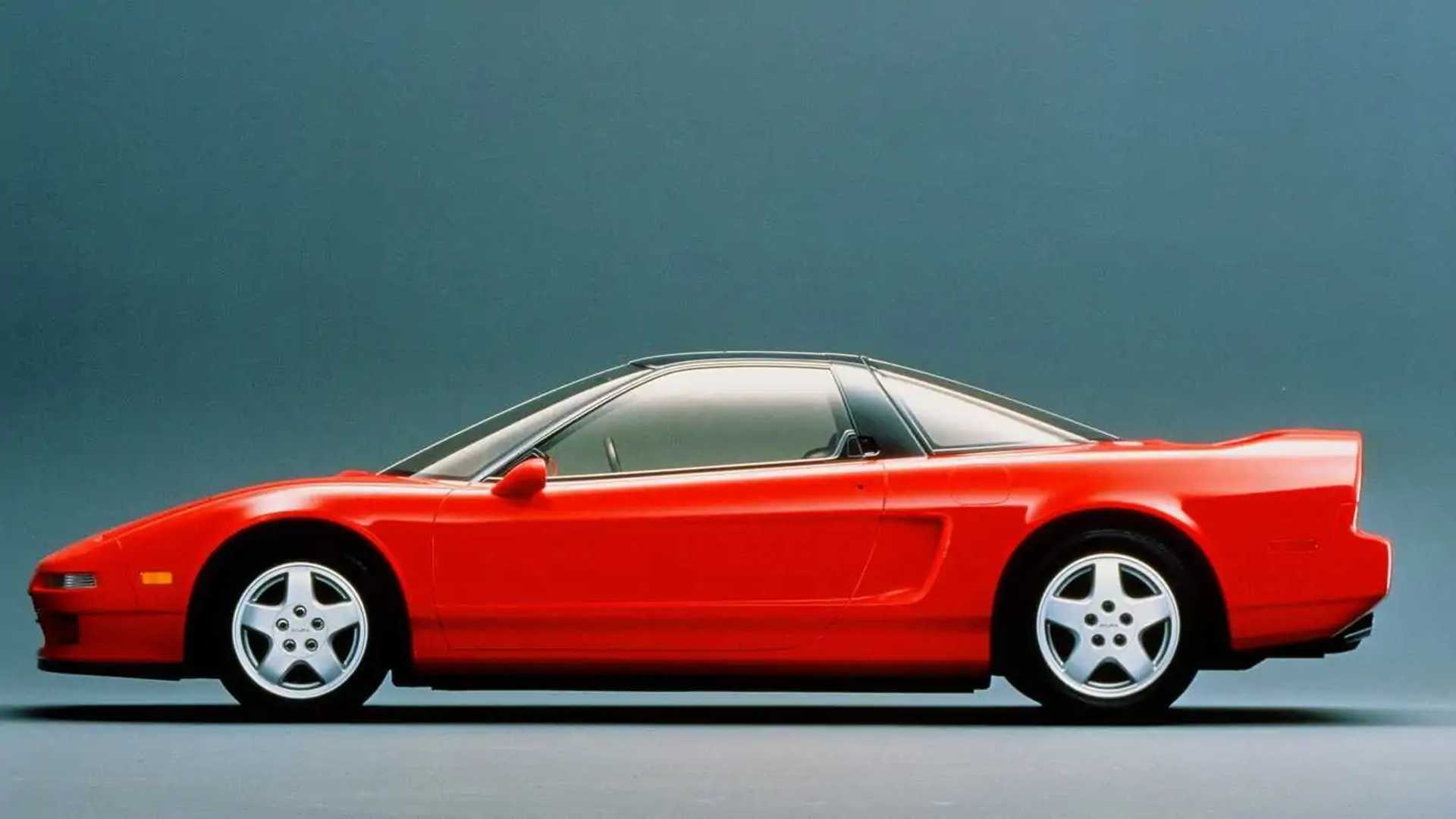
First revealed at the Chicago Auto Show in February 1989, the NSX went on sale in Japan in early 1990, with U.S. deliveries commencing in November that year. The reception was electric. Road & Track clocked its 0-60 mph sprint at 5.7 seconds and the quarter-mile in 14 seconds, declaring the NSX a rightful contender in the elite sports/GT car arena. It even stood toe-to-toe with Ferrari’s 328 GTB, which Honda had used as a benchmark during development.
A Design That Turned Heads
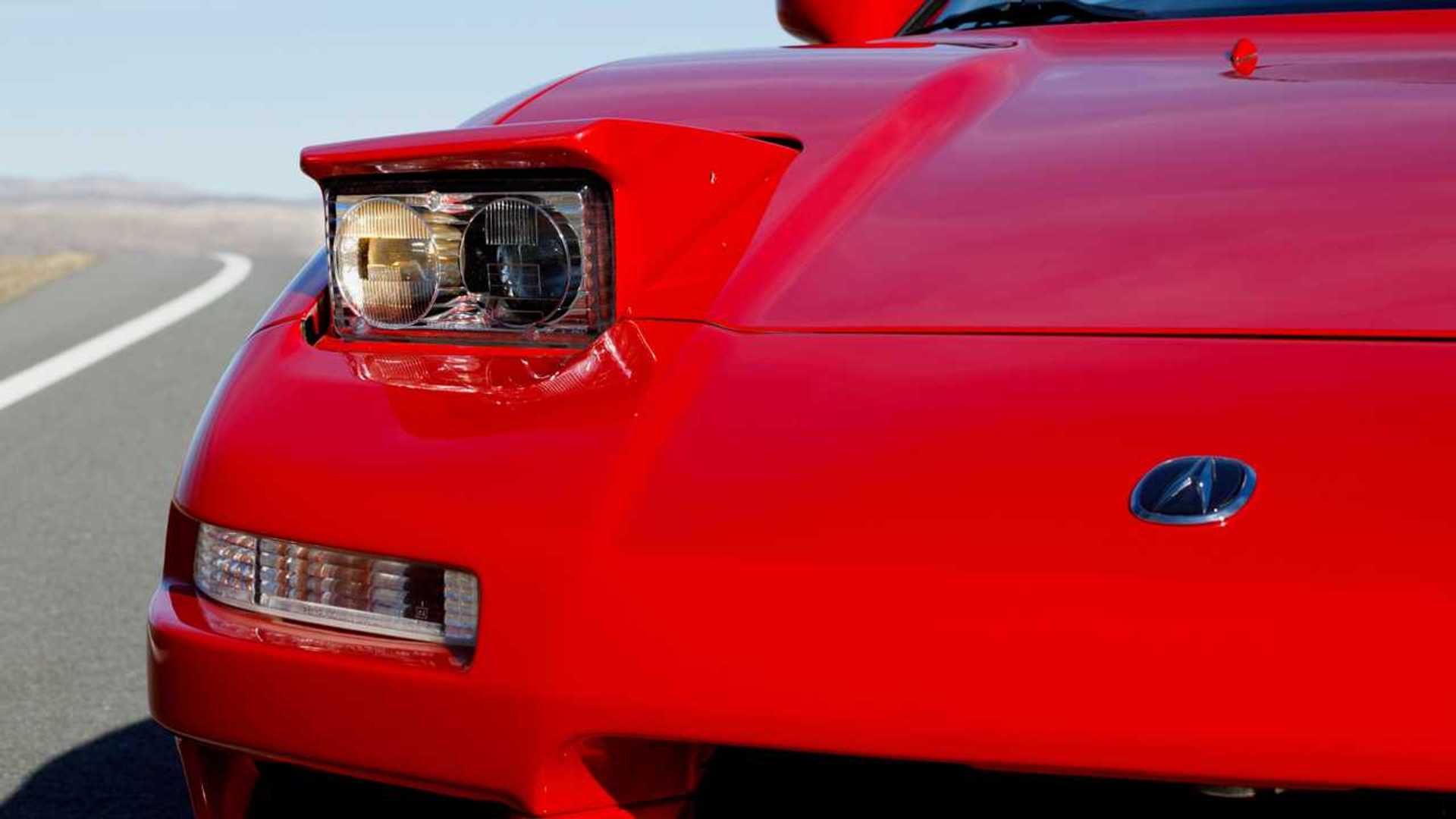
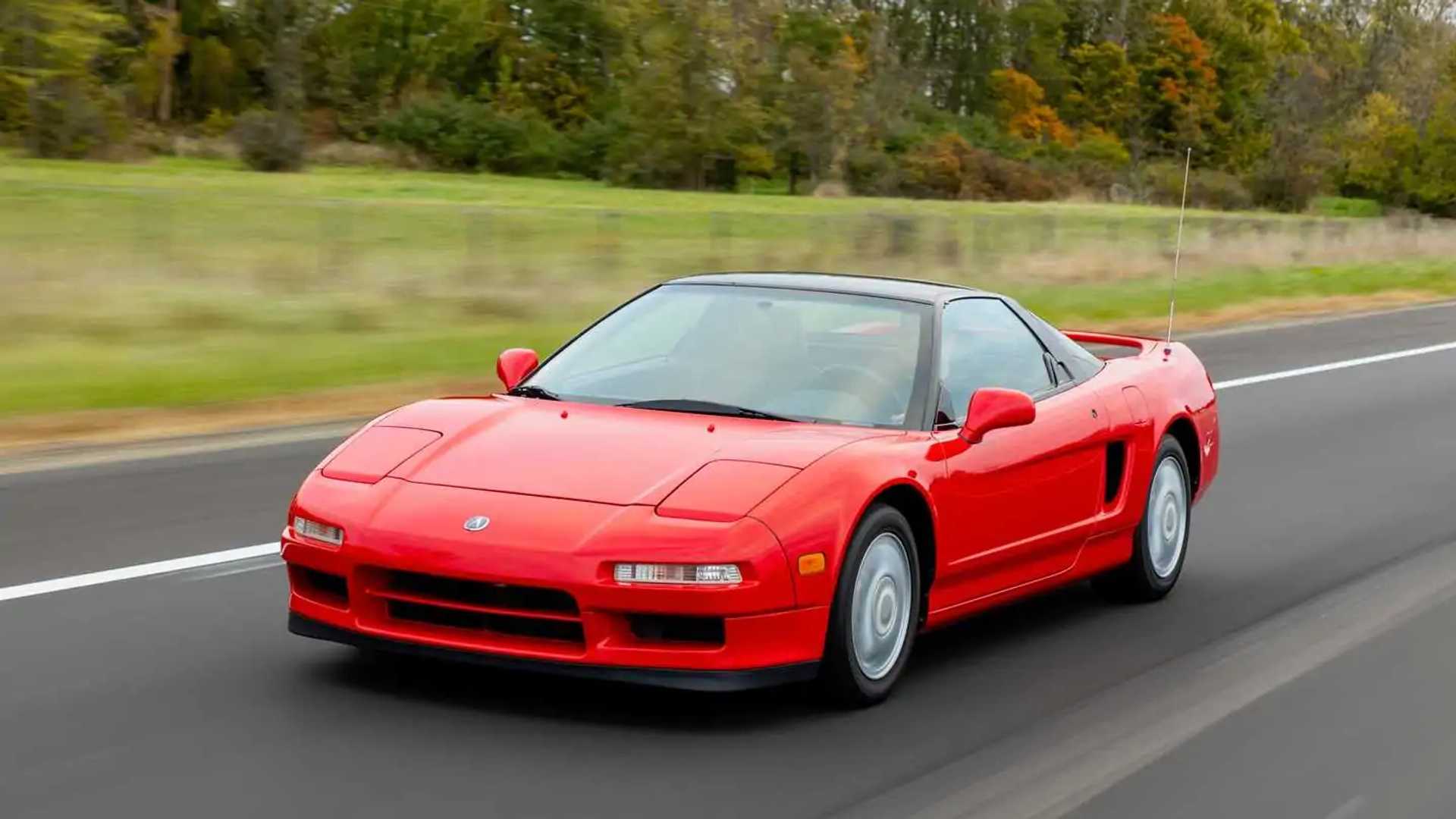
Visually, the NSX was a triumph. Its flowing lines, low-slung profile, and integrated rear spoiler exuded timeless elegance while serving aerodynamic purposes. Pop-up headlights lent it a distinctly European charm, and the side intakes weren’t just functional—they were a statement. The NSX made it clear: this was no ordinary sports car.
Continuous Evolution
Over its lifecycle, the NSX continued to evolve. A Targa-topped version debuted in 1995, and in 1997, Honda introduced a 3.2-liter V6 that pushed output to 290 horsepower and 224 lb-ft of torque. The 2002 facelift brought fixed bi-xenon headlights, retiring the pop-ups for the sake of safety and modernity, though some purists mourned the change.
The Legacy Lives On
The first-generation NSX bowed out after 2005, leaving behind a legacy as a game-changer in the supercar world. It wasn’t until 2016 that Honda revived the NSX nameplate for a new generation, but that’s a story for another time.
Conclusion: The NSX’s Enduring Impact
The original Acura NSX wasn’t just a car—it was a revolution, proving that Japanese engineering could redefine what a supercar could be. Its influence is still felt today, inspiring carmakers and enthusiasts alike with its perfect blend of performance, style, and innovation.
 AutoPulse